If you want a home base that makes it easy to get outside, Anderson offers more than a pretty view. You can find riverfront trails, lakeside loops, wetlands, and major park spaces woven into daily life across the city. If you are considering a move here, understanding how these outdoor amenities connect to housing and day-to-day living can help you make a smarter decision. Let’s dive in.
Why Anderson Stands Out
Anderson’s outdoor appeal centers on the White River corridor and a connected network of parks, trails, and natural areas. According to the city, the parks system reaches throughout Anderson and links places like the White River, Shadyside, Edgewater, Killbuck Wetlands, and Mounds State Park.
That matters because river and park living here is not limited to one trail or one destination. Instead, you get a broader lifestyle pattern built around walking, biking, fishing, wildlife viewing, and gathering in public spaces across different parts of the city.
White River Trail Access
The White River Trail is one of the clearest examples of Anderson’s outdoor identity. The main riverwalk starts at Grand Avenue and follows the northeast bank of the White River for 2.3 miles.
Along the route, the city highlights wetlands, native plants and animals, birdwatching, and photography. For you, that can mean an easy place to walk after work, get in a morning run, or enjoy a calmer natural setting without leaving town.
Downtown Riverwalk Option
The Thomas R. McMahan Riverwalk adds another layer to the riverfront experience. This downtown offshoot runs about 0.7 miles along the west bank and includes two scenic overlooks.
It reconnects with the main trail at Edgewater Park through Kennedy Crossing. If you like the idea of being near downtown activity while still having river access nearby, this connection is an important part of the local layout.
Parks That Support Daily Life
A big reason people enjoy Anderson’s outdoor spaces is that the parks work for everyday routines, not just weekend outings. Several parks offer different ways to spend time outside depending on your pace and interests.
Edgewater Park Features
Edgewater Park offers strong White River frontage, mature trees, picnic areas, murals tied to Anderson’s history, and trail access. It functions as both a scenic stop and a practical access point within the riverfront network.
The park also has a rentable shelter. That gives it a social role too, whether you are thinking about casual gatherings or larger community use.
Shadyside Recreation Area
Shadyside Recreation Area covers about 87 acres, including 63 acres of lake space. It includes a 2.65-mile trail loop, two lakes for fishing and nonpowered boating, and a lighted walking trail on the north loop.
For many buyers, this kind of space is what makes park living feel usable year-round. You are not just looking at green space on a map. You are looking at places designed for walking, relaxing, and spending time outdoors in simple, repeatable ways.
Killbuck Wetlands Connection
Killbuck Wetlands connects to the south loop of the Shadyside Trail and includes a 0.33-mile asphalt-and-boardwalk trail. The site was created on reclaimed land and is known for wildlife and migratory birds.
If nature access is part of your housing wish list, this area adds variety to Anderson’s outdoor mix. It gives you a different feel from the riverwalk and lake loops, with more emphasis on habitat and observation.
More Nature Near Anderson
Outdoor living in Anderson also reaches beyond the core city trail system. Two nearby destinations broaden the experience for residents who want more hiking, biking, or interpretive outdoor space.
Mounds State Park Access
Mounds State Park sits just east of Anderson off I-69. The park includes 10 prehistoric earthworks, hiking trails, fishing on the White River, camping, a nature center, and interpretive programming.
For you, that means a major regional outdoor destination is close enough to become part of your regular routine. It adds depth to the area’s lifestyle without requiring a long drive.
Rangeline Nature Preserve
Rangeline Nature Preserve is a 180-acre city-owned preserve. It offers beginner, intermediate, and expert mountain bike loops, along with hiking and wildlife use.
This is especially useful if you want more active recreation than a standard walking trail. It shows that Anderson’s outdoor options include both casual and more sport-focused use.
How Residents Use These Spaces
The city describes Anderson’s parks as places for walking, running, biking, fishing, canoeing, birdwatching, and wildlife viewing. That mix helps explain why outdoor living here feels like part of daily life rather than an occasional activity.
The city also points residents toward stewardship and activity groups, including Friends of White River, White River Watchers, and local running clubs. Even if you are new to the area, that kind of structure can make it easier to plug into the community.
Seasonal Recreation Adds Variety
Seasonal amenities can make a difference when you are comparing towns. For summer 2026, the city is promoting free kayak and paddleboat use at Shadyside Park, along with Southside Pool and the May Park splash pad as part of its summer recreation calendar.
That tells you something practical about Anderson. The city supports outdoor use in ways that can appeal to different households and lifestyles, from solo recreation to family-friendly activities.
Events Shape the Lifestyle
River and park living is not only about trails and open space. In Anderson, public outdoor areas also help create the social rhythm of the city.
The city calendar includes a Parks and Recreation category, and the parks department highlights youth activities and other programming. That means these spaces stay active through organized events as well as everyday use.
A Seasonal Community Calendar
For summer 2026, the city is promoting a free concert series at Dickmann Town Center from June through September. Other featured events include Independence Day activities, the Anderson Air Spectacular, Anderson on Tap, APD block parties, and the Gaslight Festival.
For a buyer, that kind of calendar can be a real quality-of-life factor. It suggests that living near parks and river spaces in Anderson can also mean being closer to events, gatherings, and seasonal traditions.
What Housing Looks Like Nearby
If you are picturing luxury-only riverfront construction, Anderson’s housing story is more grounded and more varied. Citywide Census QuickFacts show a 55.5% owner-occupied housing rate, a median owner-occupied value of $119,000, and a median gross rent of $925 for 2020 through 2024.
Those numbers point to a market that is relatively accessible compared with many larger metros. For buyers and renters alike, that can make the outdoor lifestyle feel more attainable.
Historic Housing Near Downtown
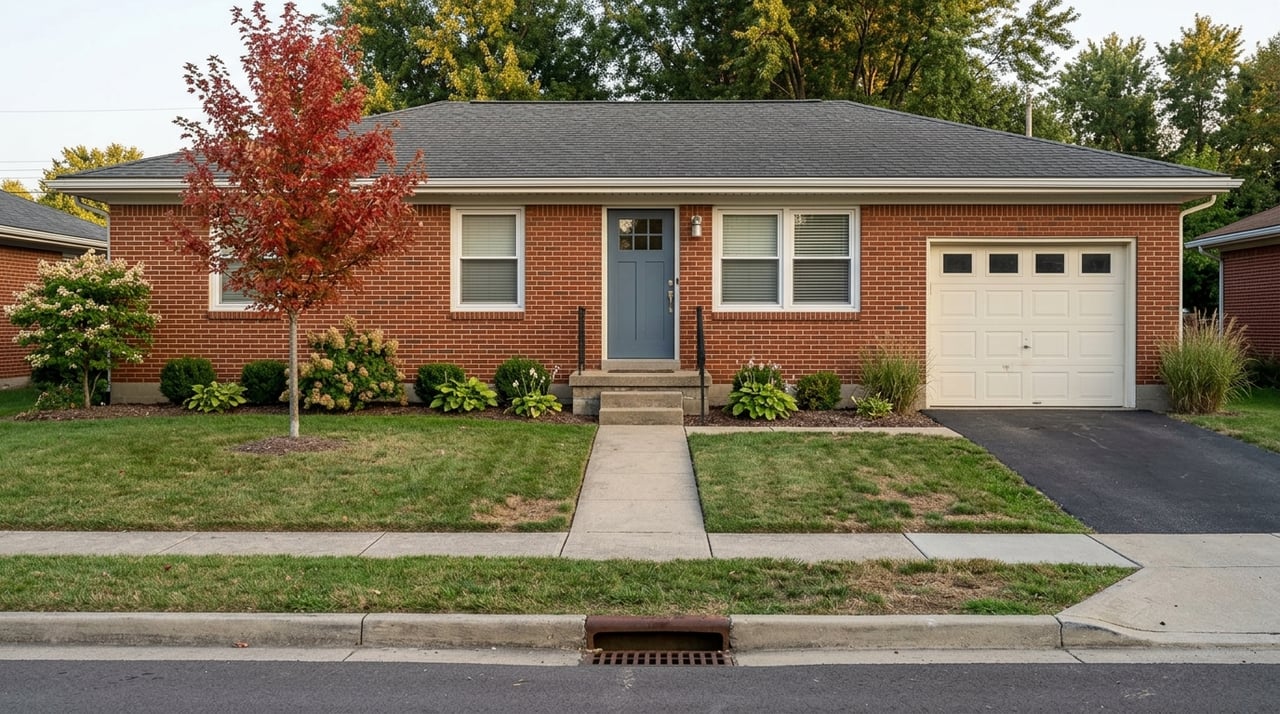
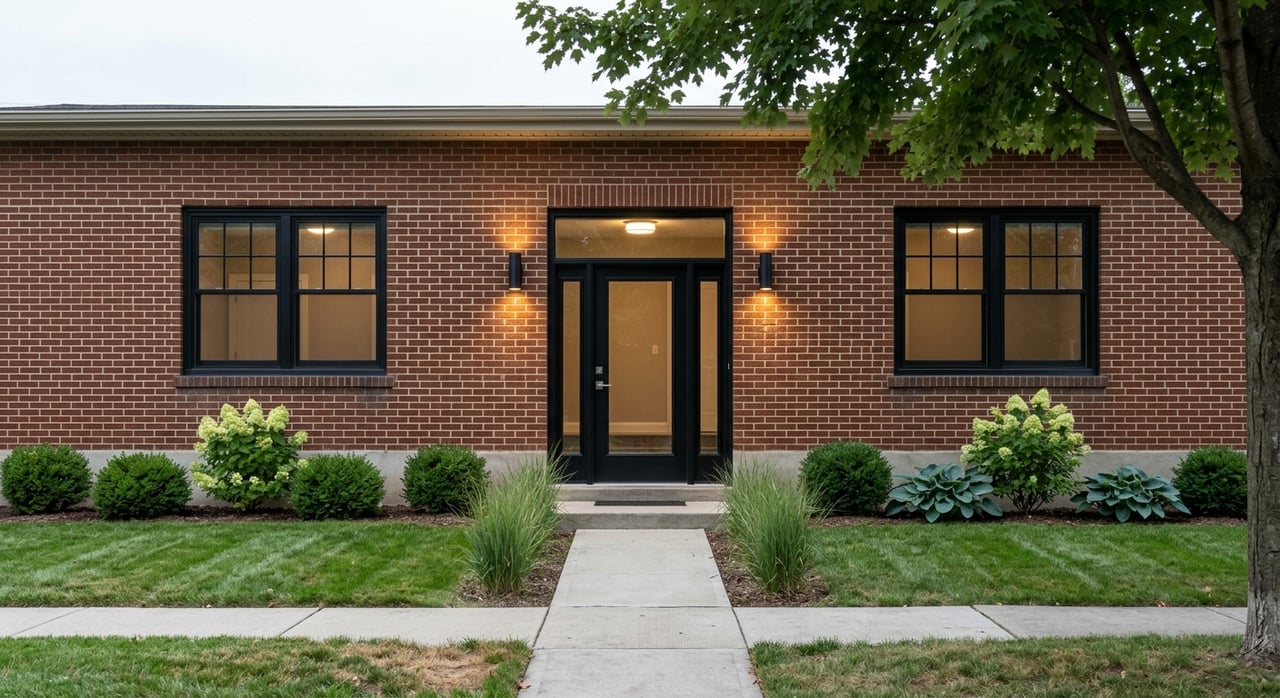
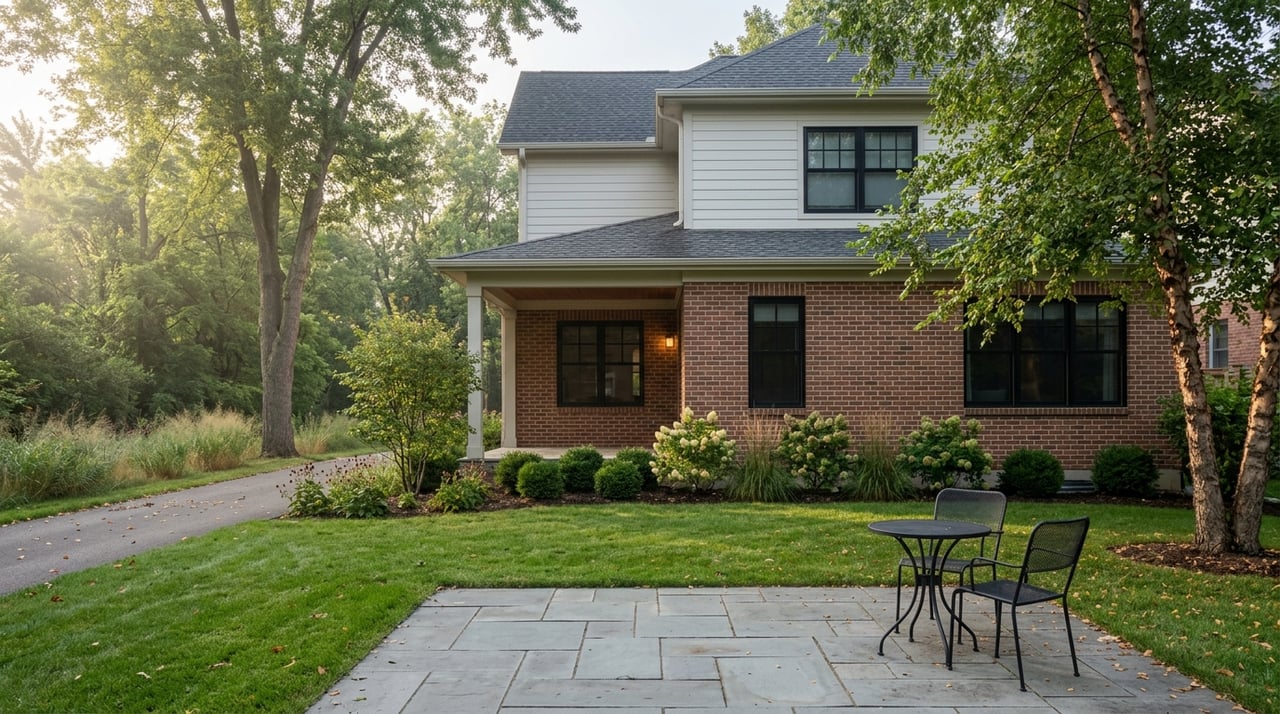
Closer to downtown and the river, Anderson’s housing stock is shaped in part by historic districts. The city says its historic districts include parks, homes, apartment buildings, and some commercial uses, with roughly 300 structures in each residential district and about 60 in the downtown district.
That context matters when you are searching near river and park areas. You may be more likely to see older homes with architectural character, apartment buildings, and some mixed-use or commercial-adjacent property rather than a concentration of brand-new riverfront development.
Home Styles You May See
In the West Central Historic District, the city notes Italianate, Bungalow, Dutch Colonial, American Foursquare, and Shingle homes. In the West Eighth Street Historic District, the city identifies cottages, Queen Anne, Free Classic, Colonial Revival, and Italianate homes, along with bungalow and four-square forms common in the early 20th century.
If you enjoy established neighborhoods and older architecture, that can be part of Anderson’s appeal. It also means your home search may involve balancing charm, location, and condition rather than focusing only on new construction features.
Practical Tips for River-Adjacent Buyers
Living near the river can be rewarding, but it also calls for clear-eyed due diligence. The city notes that flooding along the White River and Killbuck Creek can happen in winter, spring, and other seasons.
According to the city, river levels can rise from normal flow to flood peaks in 24 to 42 hours, and the White River begins to overflow at around 10 feet. If you are considering a home near the river, that makes location-specific review especially important.
Water Quality Matters Too
The city also notes that combined sewer overflows can affect White River water quality. Its guidance advises avoiding contact with urban streams during and for at least 72 hours after rain or rapid snowmelt.
This does not erase the value of riverfront living, but it does add an important practical layer. When you evaluate homes near the river, it helps to think about access and views alongside floodplain, drainage, and seasonal water conditions.
How to Evaluate River and Park Living
When you tour homes in Anderson, it helps to look beyond the property lines. A home near a trail, park, or river corridor can offer real everyday value if the location fits how you actually live.
As you compare options, consider:
- How close you want to be to walking or biking trails
- Whether you prefer riverfront access, lake access, or wooded trails
- How often you would use nearby parks for recreation or events
- The age and style of housing in the area you are targeting
- Flood and drainage considerations for river-adjacent properties
- How nearby outdoor amenities fit your routine in different seasons
The best fit is not always the home closest to the water. Often, it is the one that gives you practical access to the outdoor spaces you will use most.
Anderson offers a version of outdoor living that feels connected, usable, and approachable. From the White River Trail and Edgewater Park to Shadyside, Killbuck Wetlands, and nearby Mounds State Park, you have multiple ways to build nature and recreation into your week. If you want help comparing homes near Anderson’s parks, trails, and river corridors, Steve Slavin can help you evaluate the options with local insight and a steady, practical approach.
FAQs
What is river living like in Anderson, Indiana?
- River living in Anderson centers on access to the White River corridor, including the 2.3-mile White River Trail, the Thomas R. McMahan Riverwalk, nearby parks, and outdoor activities like walking, biking, birdwatching, and fishing.
What parks support outdoor living in Anderson?
- Key outdoor spaces in Anderson include Edgewater Park, Shadyside Recreation Area, Killbuck Wetlands, Rangeline Nature Preserve, and nearby Mounds State Park.
What types of homes are common near downtown Anderson parks?
- Near downtown and park-adjacent areas, housing may include older single-family homes with character, apartment buildings, and some mixed-use or commercial-adjacent property, especially around Anderson’s historic districts.
What should buyers know about White River flood risk in Anderson?
- The city says flooding along the White River and Killbuck Creek can happen in multiple seasons, river levels can rise quickly, and the White River begins to overflow at around 10 feet.
Are Anderson parks used for events and gatherings?
- Yes. Anderson’s parks and city calendar support concerts, holiday events, youth programming, and gatherings, and some park shelters and spaces can be rented for events like reunions, weddings, and picnics.
Is Anderson an affordable place to enjoy park-focused living?
- Census QuickFacts for 2020 through 2024 show a median owner-occupied home value of $119,000 and a median gross rent of $925, suggesting a relatively accessible market for many buyers and renters.