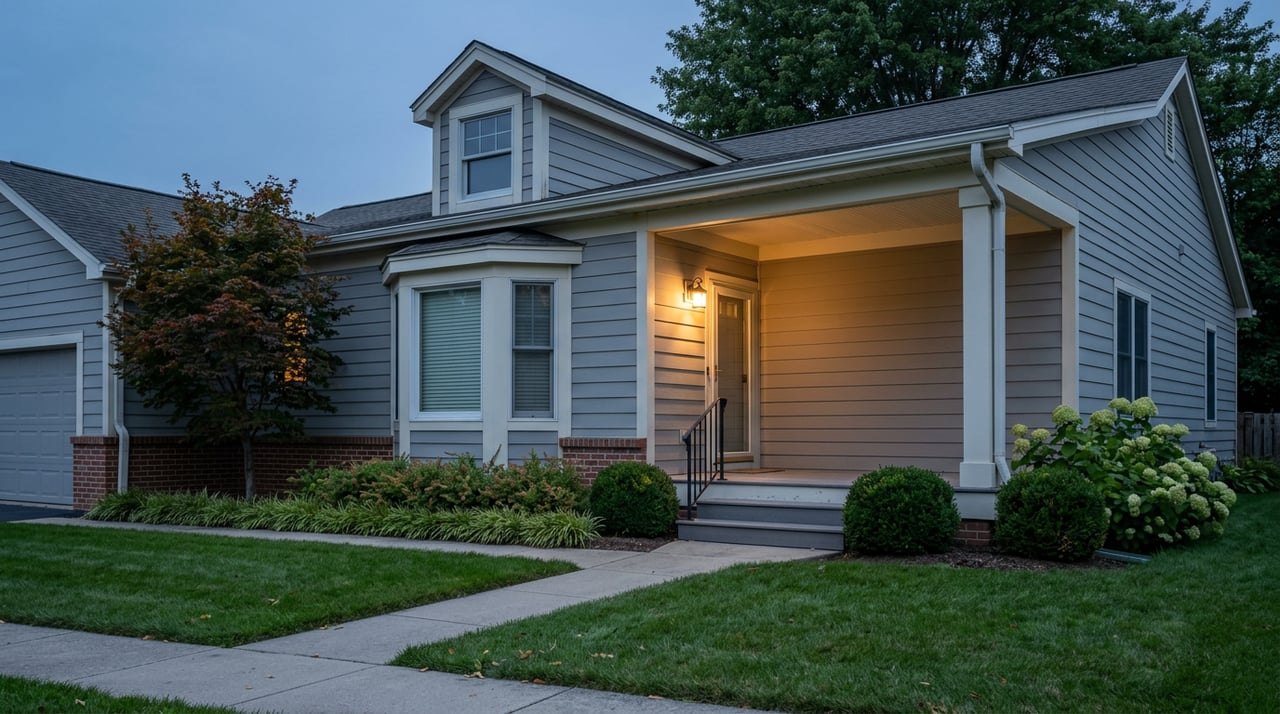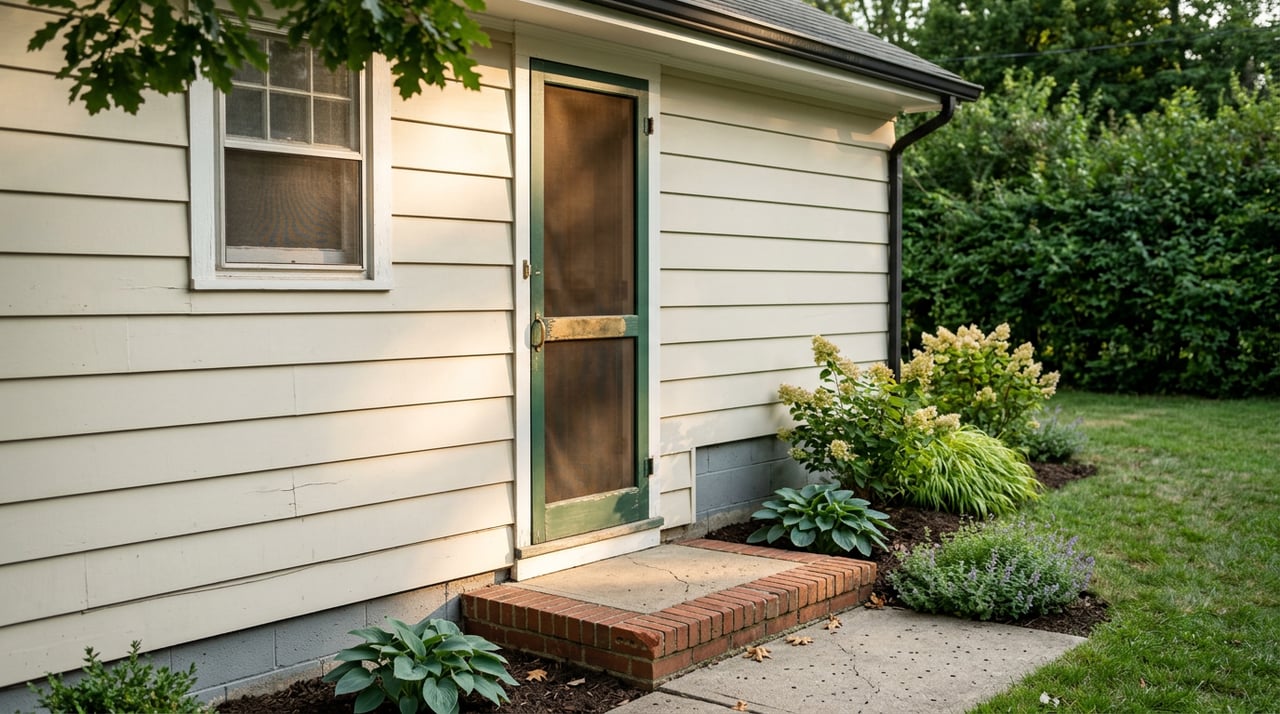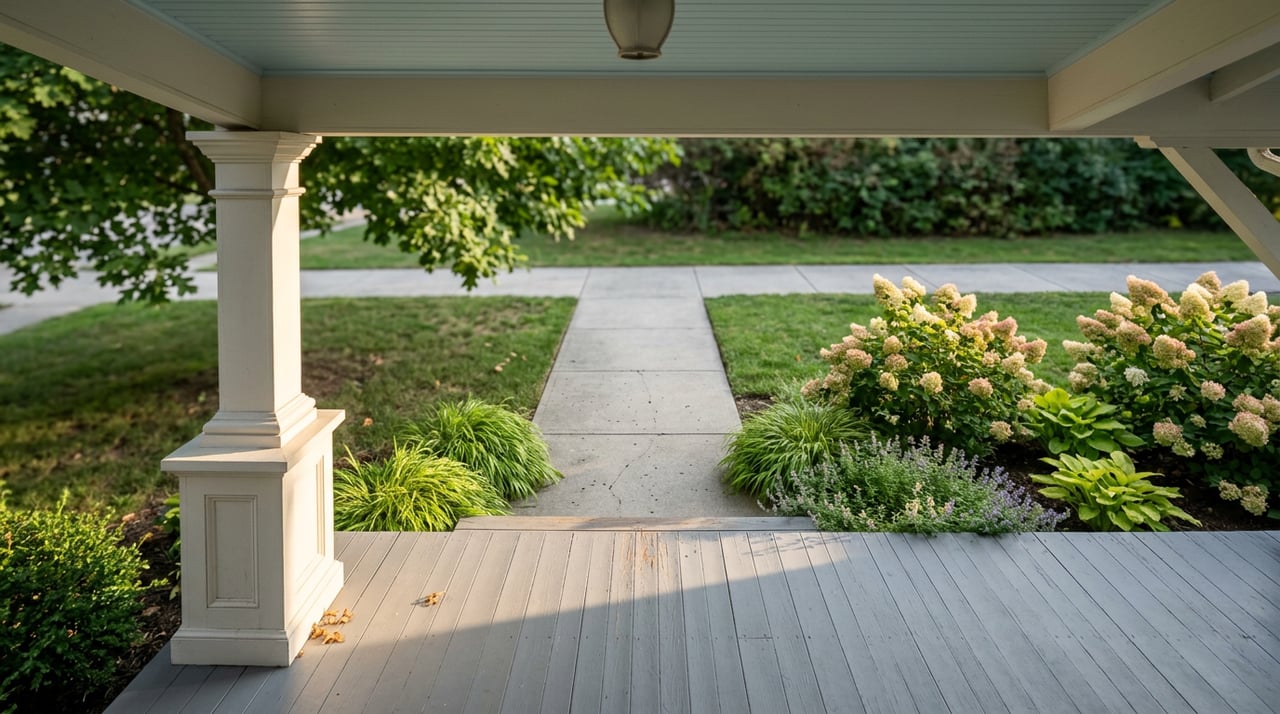
If you are thinking about buying or selling in New Castle, one question shapes almost everything else: what kind of home fits your budget, lifestyle, and maintenance comfort level? New Castle offers more variety than many buyers expect, from older historic homes near the core of town to practical mid-century ranches and a smaller set of newer homes on subdivision lots or acreage. When you understand how these housing options differ, you can make a clearer decision and avoid surprises. Let’s dive in.
New Castle housing at a glance
New Castle is a modestly priced market with a housing stock that leans older. U.S. Census data shows 8,417 housing units in the city, with a 61.5% owner-occupied rate, a median owner-occupied value of $98,000, and median gross rent of $781. The same data also shows that 83.3% of residents lived in the same house one year earlier, which points to a market with a fairly stable resident base.
Current market snapshots show median pricing in the mid-$100,000s. Over the three months ending May 2026, the median sale price was about $150,000, while Realtor.com reported a median listing price near $157,000, with 138 active listings and about 39 median days on market. Those figures do not conflict, since they measure different parts of the market and use different time frames.
Older housing shapes the market
A big part of understanding New Castle means understanding the age of its homes. City planning documents report that 28% of the housing stock was built before 1940, and a separate Northside Livability Study found that 61.8% of housing units were built before 1960. That means many buyers here are choosing among homes with history, not just homes with recent finishes.
This also helps explain why condition matters so much in New Castle. In a market with older homes, updates to kitchens, baths, windows, flooring, and major systems can influence buyer interest almost as much as square footage or bedroom count. For sellers, that can shape pricing strategy. For buyers, it can shape your repair budget and long-term plans.
Historic homes in New Castle
Historic homes are often the most distinctive part of the New Castle market. Local examples include an 1867 brick two-story with more than 3,000 square feet, an 1840 four-bedroom home with 2,600 finished square feet, and an 1897 farmhouse with five bedrooms and nearly 3,900 square feet. These homes often sit on compact in-town lots, which is common in older blocks near the city core.
The appeal here is character. Many of these homes feature 1.5- or 2-story layouts, front porches, wood floors, fireplaces, built-ins, formal rooms, and attic or flex spaces. If you want original details and a home that feels different from standard subdivision product, this segment may stand out right away.
What buyers should expect from historic homes
Character usually comes with trade-offs. Older homes can offer more architectural detail and larger room counts, but they may also require more ongoing maintenance and more careful renovation planning. Layouts may feel less open than newer homes, and lot sizes may be smaller than what you find in edge-of-town properties.
If a property is in one of New Castle’s designated historic districts, exterior work may involve another layer of review. The Historic Preservation Commission oversees covered renovation, demolition, and new construction in those districts. A Certificate of Appropriateness is required for covered work, though routine maintenance does not require one.
Historic district rules matter
If you are considering a home in a preservation district, it is smart to confirm what changes may need approval before you buy. Applications for a Certificate of Appropriateness are due seven days before the meeting, and covered work must follow the Secretary of the Interior’s Standards. That does not mean you should avoid these homes, but it does mean you should go in with clear expectations.
For the right buyer, a historic home can be a strong fit. You may get charm, presence, and a more walkable central location. You should also be ready for a home that may ask more of you over time.
Post-war homes and ranch-style living
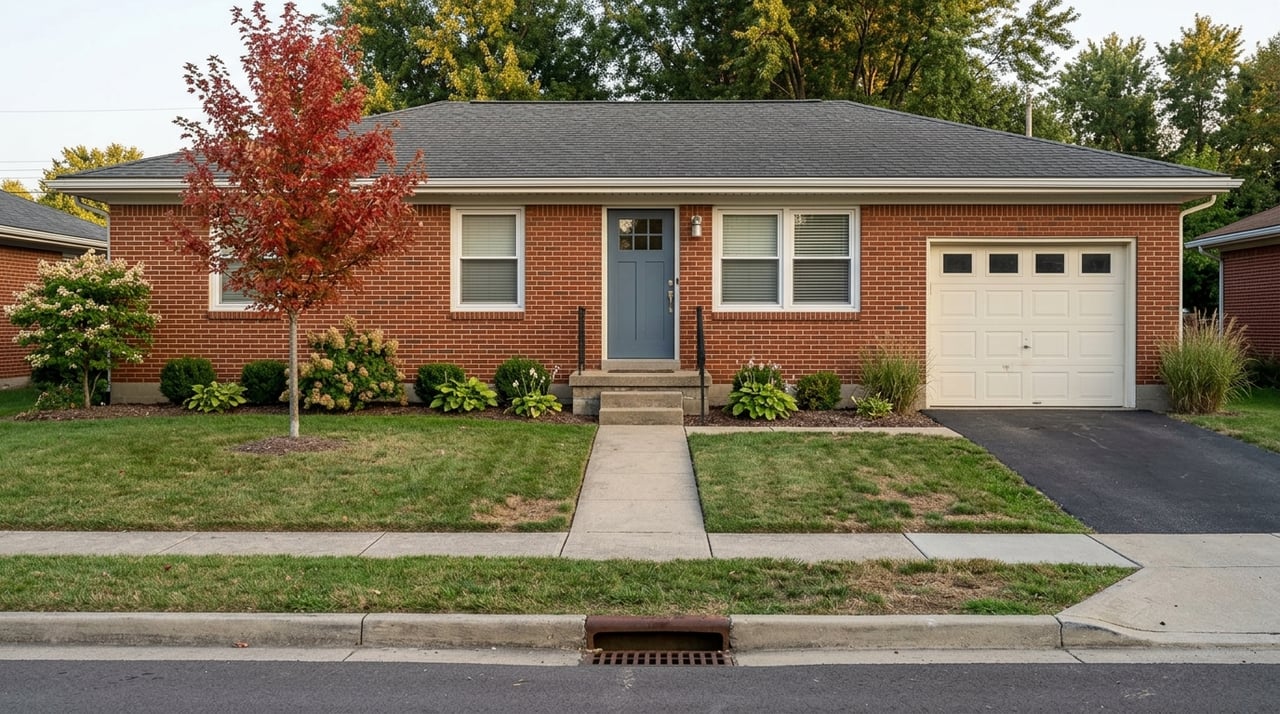
Post-war neighborhoods make up a large share of New Castle’s practical housing options. Representative examples range from a 1945 three-bedroom home on a 0.11-acre lot to 1950s and 1960s ranches on lots closer to a quarter acre or more. Areas such as Crest View, Forest Lawn, and Forest Glen show the kind of housing many everyday buyers will encounter in this segment.
These homes tend to prioritize function. Single-story or near-single-story living is common, along with attached garages, crawl spaces or small basements, and manageable yards. If you want a straightforward layout and a more predictable footprint, this part of the market often delivers that.
Why this segment appeals to many buyers
For many buyers, post-war homes hit the sweet spot between price, usability, and maintenance. They usually offer simpler floor plans than large historic homes and more established settings than limited new construction options. That can make them especially relevant for first-time buyers, downsizers, or anyone focused on monthly affordability.
Condition is a major differentiator in this segment. Some homes are listed as fully remodeled, while others are described as cosmetic-update opportunities or clear fixers. In practical terms, two homes with similar size and bedroom count can feel very different in value depending on updates and upkeep.
What sellers should know about post-war homes
If you are selling a mid-century or post-war home in New Castle, presentation matters. Buyers in this segment often compare based on visible condition, especially kitchens, bathrooms, flooring, paint, windows, and major systems. A home that feels clean, maintained, and accurately priced can compete well, even without luxury finishes.
That is one reason local guidance matters. In a condition-sensitive market, the right pricing and preparation strategy can shape how quickly your home draws attention.
Newer homes and newer construction
Newer housing exists in New Castle, but it is less abundant than older stock. Current examples include a 2004 ranch in Tuscan Heights with an open floor plan, attached two-car garage, and full walk-out basement, along with homes built in 2023 and 2026. These properties are a smaller part of the market, which can make them especially appealing to buyers who want more turn-key living.
This segment tends to attract buyers looking for fewer immediate projects. Open-concept layouts, newer finishes, and more modern systems can reduce the uncertainty that sometimes comes with older homes. If your top priority is low-friction move-in readiness, this may be the segment to watch.
Acreage changes the conversation
Part of the newer-home story in New Castle includes properties on larger lots outside standard subdivision patterns. Local examples include homes on one acre and even a 2006 ranch with a pond on five acres. These homes offer a different trade-off than in-town options.
More land can mean more privacy, room for outbuildings, or simply more distance from neighbors. It can also mean more upkeep and pricing that moves away from the city’s standard quarter-acre subdivision product. In this segment, acreage and privacy can influence value just as much as the house itself.
Comparing your main housing options
Each New Castle housing segment tends to serve a different priority. Your best fit depends on what matters most to you day to day, not just what looks best in photos.
| Housing type | Common strengths | Common trade-offs |
|---|---|---|
| Historic homes | Character, original details, larger older floor plans, central locations | More maintenance, possible district review, compact lots |
| Post-war homes | Practical layouts, ranch options, manageable lots, wide price appeal | Condition varies widely, updates may be needed |
| Newer homes | Turn-key potential, open layouts, newer systems | Fewer choices, pricing may rise with finishes or acreage |
| Newer homes with acreage | Privacy, larger land area, flexibility in use | More upkeep, less standard pricing |
How to choose the right fit
Start with your tolerance for repairs and updates. If you enjoy projects and appreciate original details, a historic home may feel rewarding. If you want steady monthly costs and a practical layout, post-war housing may be the stronger match. If you want fewer near-term surprises, a newer home may be worth the wait or the premium.
Next, think about lot size and location style. Some buyers prefer compact in-town lots and a central setting, while others want more yard, more privacy, or edge-of-town space. In New Castle, that choice can affect both price and day-to-day maintenance.
Finally, think beyond the list price. In a market where medians are around $150,000 to $157,000, condition, lot size, and district status can make one home a much different financial decision than another. Looking at the full picture helps you compare homes more accurately.
What this means for buyers and sellers
For buyers, New Castle offers meaningful choice without the pricing pressure seen in many larger markets. The key is to match the home type to your goals instead of assuming every property should be judged by the same standard. A well-kept ranch, a historic two-story, and a newer home on acreage can all be good choices for different reasons.
For sellers, New Castle’s housing diversity means your home should be marketed in the context of its segment. Buyers shopping for a historic home are not always looking for the same things as buyers focused on ranch living or move-in-ready construction. Clear positioning, smart pricing, and realistic prep can help your home stand out.
If you are weighing your next move in New Castle, local insight can help you compare options with less guesswork. The right strategy starts with understanding what kind of housing you have, or what kind of housing you really want.
If you want help evaluating your next step in New Castle, reach out to Steve Slavin for experienced, data-driven guidance tailored to your goals.
FAQs
What types of homes are most common in New Castle, Indiana?
- New Castle has a large share of older housing, including historic homes, post-war neighborhoods, and a smaller number of newer homes or newer construction.
What should buyers know about historic homes in New Castle?
- Historic homes often offer character features like porches, wood floors, fireplaces, and built-ins, but they may require more maintenance and, in designated historic districts, some exterior work may need approval.
Are ranch homes common in New Castle, Indiana?
- Yes, many post-war homes in New Castle are ranch-style or near-single-story homes, often with attached garages and lot sizes around a quarter acre.
How much do homes cost in New Castle, Indiana?
- Recent market snapshots place the median sale price at about $150,000 and the median listing price at about $157,000, depending on the source and time period measured.
Is newer construction available in New Castle?
- Yes, but it is less common than older housing stock, with some newer homes found in subdivisions and others on larger lots or acreage near the edges of town.
What affects home values in New Castle the most?
- Based on the local market examples in the research, major factors include condition, lot size, level of updates, and whether a property is located in a historic preservation district.