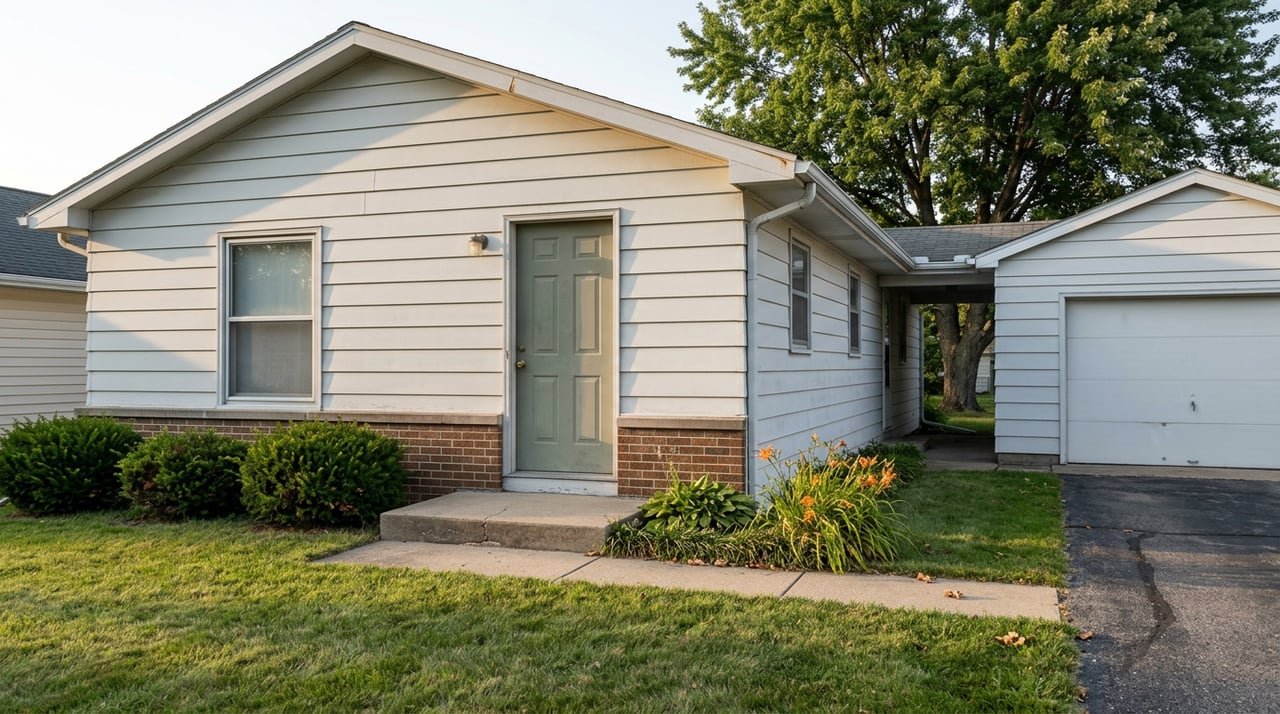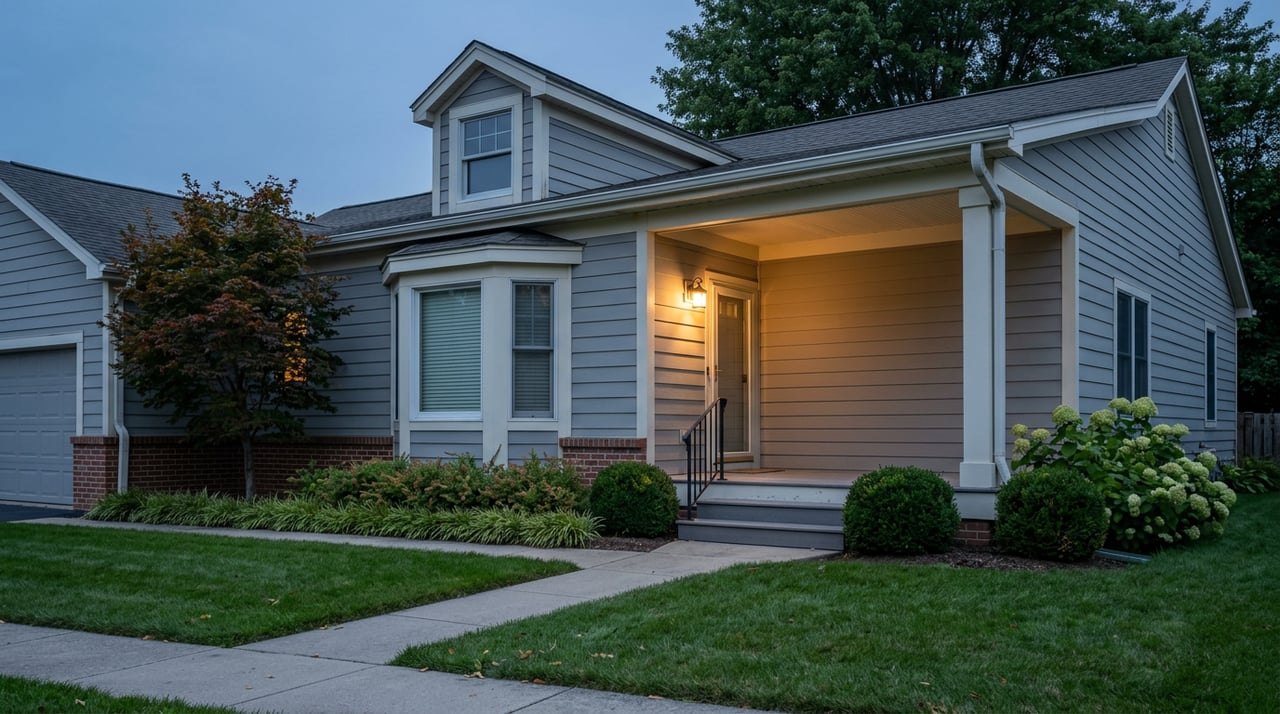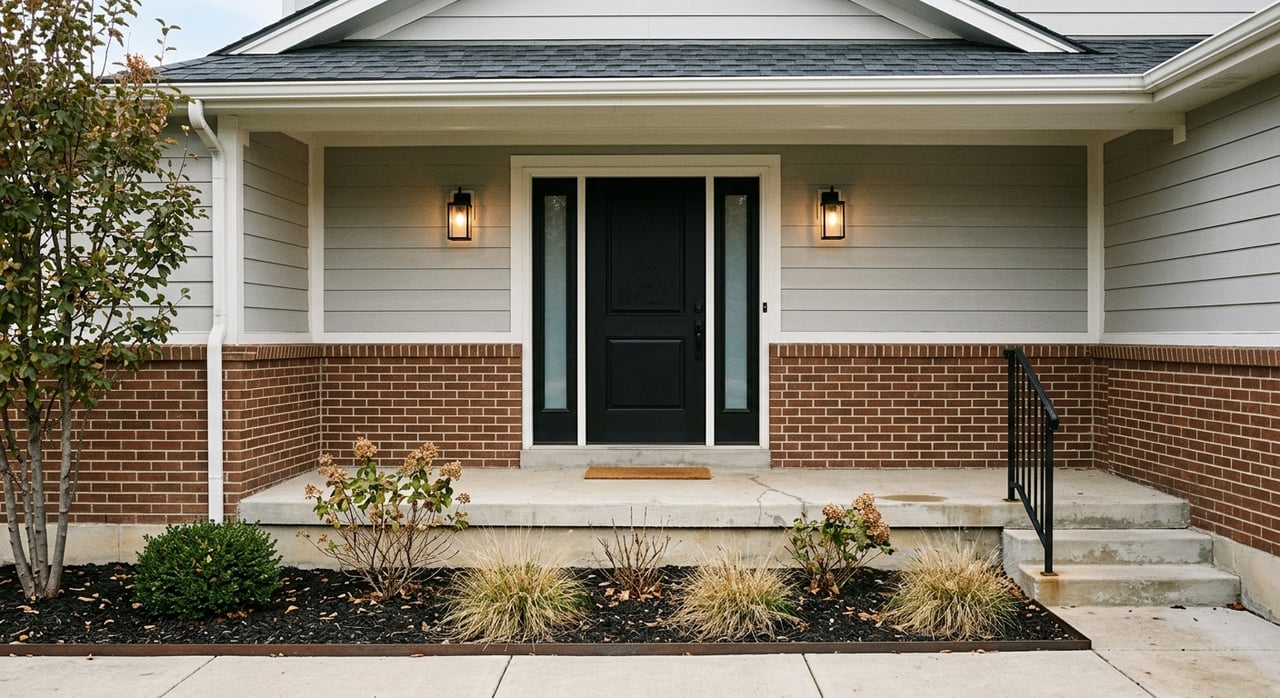
Buying your first home in Daleville can feel simple on the surface because it is a small town, but the process still comes with real decisions, real costs, and a market that can move quickly when only a handful of homes are available. If you are trying to figure out what to expect, how much cash you may need, and where to start, you are asking the right questions. This guide will walk you through the basics of buying your first home in Daleville, Indiana, with a focus on local market conditions, financing prep, and Indiana assistance options. Let’s dive in.
Daleville Market Basics
Daleville is a small town in Salem Township in Delaware County, located between Anderson and Muncie. According to Daleville Community Schools, the district covers all of Salem Township, and Census Reporter data summarized in the research places the town at about 1,584 residents with 773 housing units.
For first-time buyers, the biggest takeaway is that Daleville is a small, low-volume housing market. That matters because when only a limited number of homes sell, median prices can shift a lot from one month to the next.
Redfin’s Daleville housing market page reported a February 2026 median sale price of $235,000. The same research notes that nearby Muncie and Anderson had lower reported median sale prices during that period, which is a good reminder not to assume Daleville is always the lower-cost option.
What Homes You May Find
Daleville’s zoning rules are strongly oriented toward single-family housing. According to the town’s zoning ordinances, only one single-family residence is allowed for each deeded lot or lot of record.
You may also come across manufactured or modular homes, since the code separately defines those housing types. In practical terms, that means you should look at both the house and the parcel itself, especially if a property has a unique setup, older improvements, or questions about how the home is classified.
Why the Lot Matters
In a market like Daleville, the lot is not just background detail. The zoning structure makes it important to understand what is allowed on that parcel and whether the home is considered single-family, manufactured, modular, or a prior nonconforming use.
That does not mean every property has a complication. It simply means that for a first-time buyer, asking clear questions early can help you avoid surprises later in the transaction.
Start With Your Budget
Before you start touring homes, get clear on what you can comfortably afford. The Consumer Financial Protection Bureau recommends checking your credit, tracking your spending, deciding how much you want to spend, and gathering your loan documents before you shop.
This step matters even more in a market with limited listings. If the right home appears, you want to be ready to act with confidence rather than scrambling to pull paperwork together.
Remember the Full Upfront Cost
One of the most common first-time buyer mistakes is focusing only on the down payment. CFPB says closing costs typically run about 2% to 5% of the purchase price, separate from your down payment.
That means your total cash needed could be higher than expected. If you are building a plan to buy in Daleville, budget for the full upfront stack, including down payment, closing costs, and any early out-of-pocket expenses tied to inspections or earnest money.
Get Preapproved Before You Shop
Preapproval is one of the best first steps you can take. It gives you a clearer price range, helps you compare loan options, and shows a seller that you are serious.
CFPB’s homebuying roadmap supports a straightforward sequence: get preapproved, compare loan options, make an offer, order the inspection, wait for the appraisal, review the closing disclosure, and then close. That structure can help you stay organized and reduce stress.
Explore Indiana Assistance Programs
If upfront cash is the biggest obstacle, Indiana programs may help. The Indiana Housing and Community Development Authority Homebuyers page lists several options, including:
- First Step, which provides 5% down payment assistance for qualifying first-time homebuyers
- Step Down, a rate-only option
- Next Home, which provides up to 3.5% down payment assistance
- First Place, which offers 6% down payment assistance and is generally for first-time buyers unless the property is in a targeted area
Program rules can change, including income and acquisition limits. Before you rely on any assistance option, verify current eligibility details for the specific program you want to use.
How Down Payment Assistance Works
IHCDA explains that its assistance is often structured as a second mortgage with no interest and no monthly payment. However, that balance may become due if you sell, refinance, or stop using the home as your primary residence.
That is why it is important to understand not just the benefit today, but also the long-term terms. A good lender can help you see how the first mortgage and any assistance program fit together.
Work With a Participating Lender
IHCDA says borrowers generally work through an IHCDA participating lender. The lender helps determine whether you qualify for the first mortgage and guides you through the assistance process.
If you want additional education or support, CFPB also notes that HUD-approved housing counseling agencies and the HOPE hotline can be useful resources. For many first-time buyers, a little extra guidance can make the process feel much more manageable.
Know the Buying Process
A first home purchase becomes less intimidating when you break it into steps. Here is a simple roadmap based on CFPB guidance:
- Review your credit, budget, and savings.
- Get preapproved with a lender.
- Compare mortgage options and estimated payments.
- Tour homes that fit your budget and goals.
- Make an offer when you find the right property.
- Schedule the home inspection early.
- Wait for the appraisal and loan underwriting.
- Review your closing disclosure carefully.
- Close and get the keys.
Each step has a purpose. If something looks different from what you expected, CFPB recommends asking questions and reviewing your Loan Estimate and closing documents closely.
Do Not Skip the Inspection
In a smaller market, it can be tempting to move fast and hope for the best. That is risky, especially if you are buying your first home.
CFPB says a home inspection is different from an appraisal, and HUD guidance makes clear that an appraisal does not replace a home inspection. A qualified inspector can help evaluate the home’s physical condition, including structure and major mechanical systems.
Inspection Issues Can Change the Deal
If the inspection reveals major problems, you may be able to renegotiate or even cancel the contract if your offer includes an inspection contingency. That is one reason scheduling the inspection early is so important.
In Daleville, where homes may vary in age, setup, and parcel-specific details, the inspection is one of the best tools you have to protect yourself. It gives you clearer information before you commit fully.
Smart Tips for First-Time Buyers in Daleville
Daleville is not a one-size-fits-all market. These practical tips can help you make better decisions:
- Treat price data as directional. In a small market, a few sales can move the median quickly.
- Plan for low inventory. Research in late 2025 showed only about 11 to 16 homes for sale at certain points, so choice may be limited.
- Ask about the property type. Verify whether the home is single-family, manufactured, or modular when that is not obvious.
- Look at the parcel details. The lot can matter almost as much as the house itself.
- Budget beyond the down payment. Closing costs and other upfront expenses matter.
- Check assistance eligibility early. Program limits and loan fit should be reviewed before you write an offer.
A Calm, Prepared Approach Works Best
Buying your first home in Daleville is not about chasing the lowest possible price or rushing into the first listing you see. It is about understanding the local market, preparing your financing, and doing careful due diligence on the home and the lot.
When you take that approach, you give yourself a better chance of buying with confidence. If you want patient, locally informed guidance as you start your search in Daleville or nearby communities, connect with Steve Slavin for practical support every step of the way.
FAQs
What should first-time homebuyers in Daleville budget besides a down payment?
- First-time buyers in Daleville should also budget for closing costs, which CFPB says often run about 2% to 5% of the purchase price, plus other upfront expenses that may come up during the transaction.
Are homes in Daleville mostly single-family properties?
- Daleville zoning is strongly oriented toward single-family housing, though buyers may also encounter manufactured or modular homes depending on the property.
Is Daleville always more affordable than Muncie or Anderson for first-time buyers?
- No. Recent research cited Redfin data showing Daleville’s reported median sale price was higher than nearby Muncie and Anderson during the same period, so you should compare current listings rather than assume.
Can Indiana down payment assistance help first-time buyers in Daleville?
- Yes. IHCDA lists programs such as First Step, Next Home, and First Place, but you should verify current income limits, purchase price limits, and lender requirements before moving forward.
Why is a home inspection important when buying a first home in Daleville?
- A home inspection helps you understand the property’s physical condition, and it is different from an appraisal. It can also give you a chance to renegotiate or cancel under the contract if significant issues are found.
Should first-time buyers in Daleville get preapproved before touring homes?
- Yes. Preapproval helps you understand your budget, compare loan options, and make a stronger offer when you find a home that fits your needs.