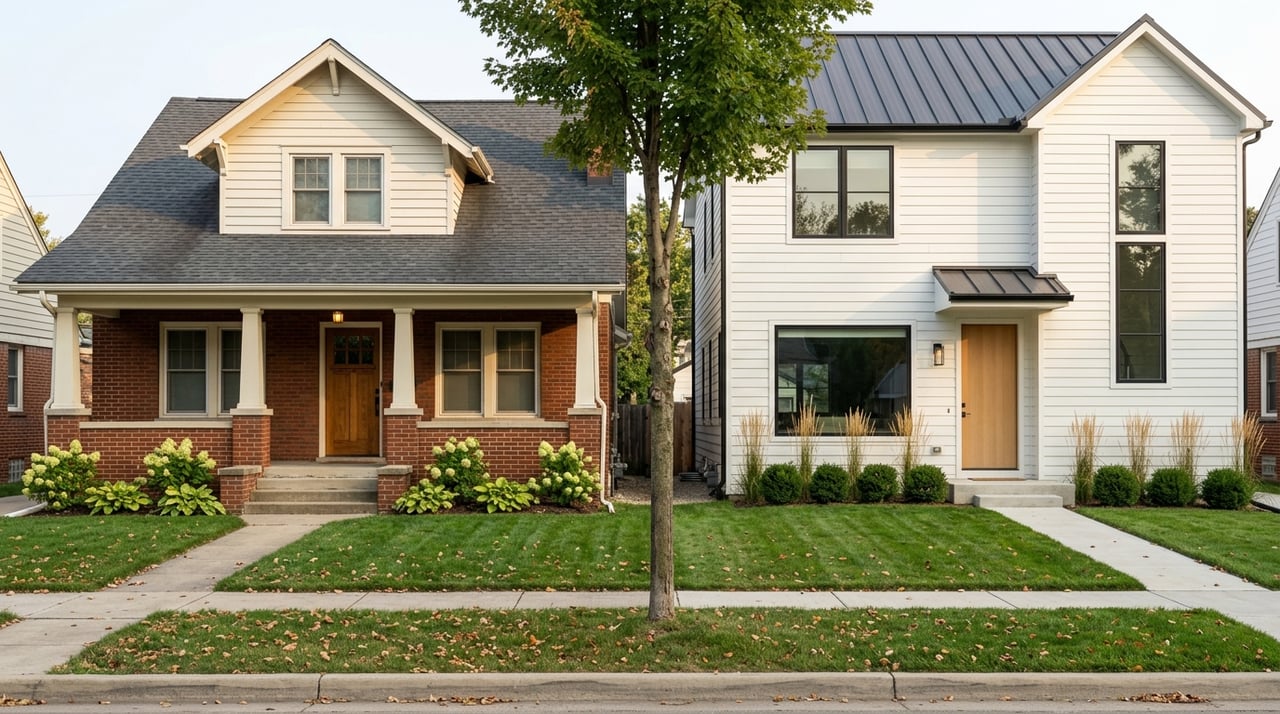
If you are home shopping in Muncie, one thing becomes clear fast: many of the homes you see are not brand new. That can feel exciting if you love character, or a little daunting if you are worried about repairs and upkeep. The good news is that both older and newer homes can be a smart fit, depending on your goals, budget, and comfort level with maintenance. Let’s break down what stands out in Muncie so you can compare your options with more confidence.
Muncie Homes Skew Older
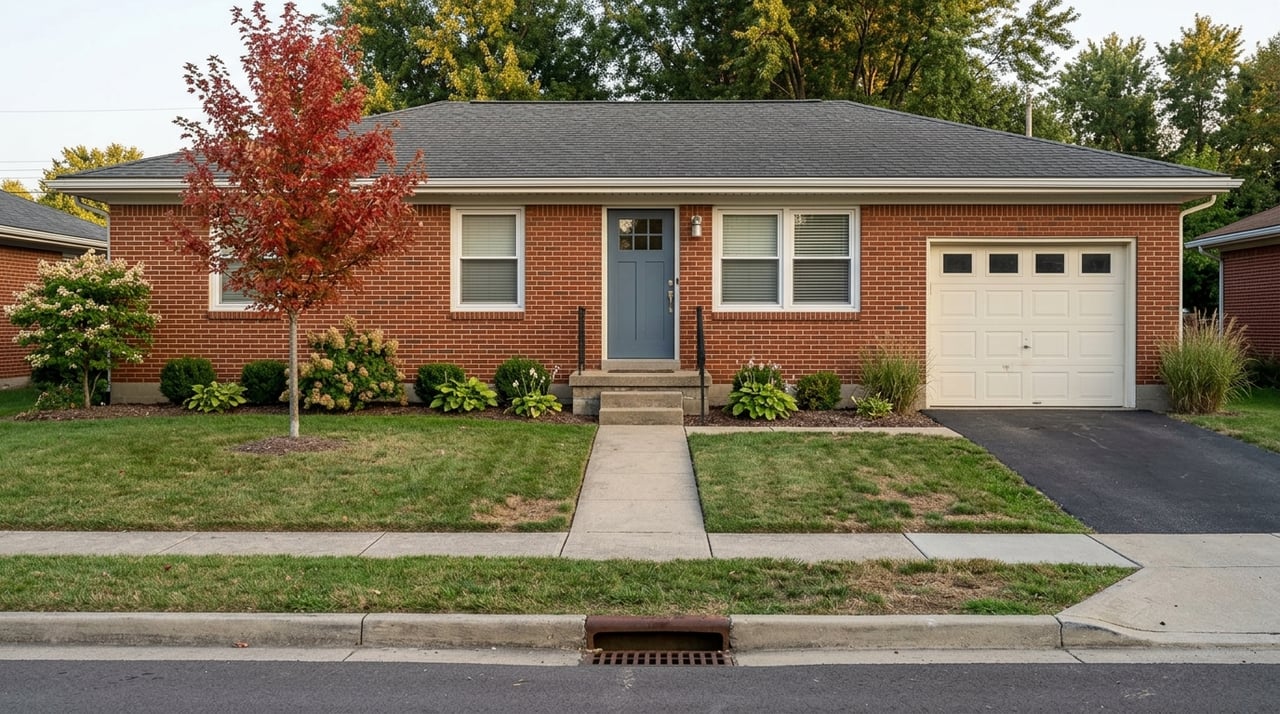
Muncie has a notably older housing stock. The city’s current planning data shows that 84% of owner-occupied homes and 65% of renter-occupied homes were built before 1980.
A city climate plan based on ACS data found the median year built was 1960. It also reported that 22.9% of homes were built in 1939 or earlier, while only 7.8% were built in 2000 or later.
That matters when you are searching for a home because it shapes what is available. In Muncie, older homes are usually the rule, not the exception, while newer construction tends to be a smaller slice of the market.
Why Older Homes Appeal in Muncie
Older homes often stand out for their design and individuality. Muncie’s downtown architecture guide identifies styles such as I-House, Italianate, Queen Anne, Romanesque Revival, Georgian Revival, Gothic Revival, and Tudor Revival.
For many buyers, that variety creates a sense of charm that is harder to find in newer homes. Floor plans, exterior details, and street presence can feel more distinct from one property to the next.
Older homes may also appeal to buyers who want value in a market with relatively modest home prices. Census Reporter’s ACS profile lists Muncie’s median owner-occupied home value at $97,200, which is below state and national medians.
What to Watch for With Older Homes
Character is only part of the story. Muncie’s housing strategy notes that older homes often need major system updates, including items like roofs, furnaces, and water heaters.
Older housing can also come with deferred maintenance, outdated systems, and lower energy performance. The U.S. Department of Energy notes that older homes often have less insulation than homes built today, which can affect comfort and monthly utility costs.
If a home was built before 1978, lead-based paint is another practical concern during a purchase or renovation. The EPA says homes built before 1978 are more likely to contain lead-based paint, and homes built before 1940 are especially likely to have some lead paint.
That does not mean an older home is a bad choice. It means you should go in with a plan for inspections, repairs, and possible updates over time.
Historic Rules Can Affect Renovations
Muncie also has a significant preservation presence. The city’s historic resources GIS lists 175 locally designated historic landmarks and 35 National Register entries.
If the home you are considering is in a local landmark area or historic district, exterior changes may be subject to local preservation rules. The city’s Historic Preservation and Rehabilitation Commission oversees designated landmarks and the certificate-of-appropriateness process.
For buyers, that adds one more layer of due diligence. Before planning exterior updates, it is wise to confirm whether the property falls under local historic requirements.
Why Newer Homes Appeal in Muncie
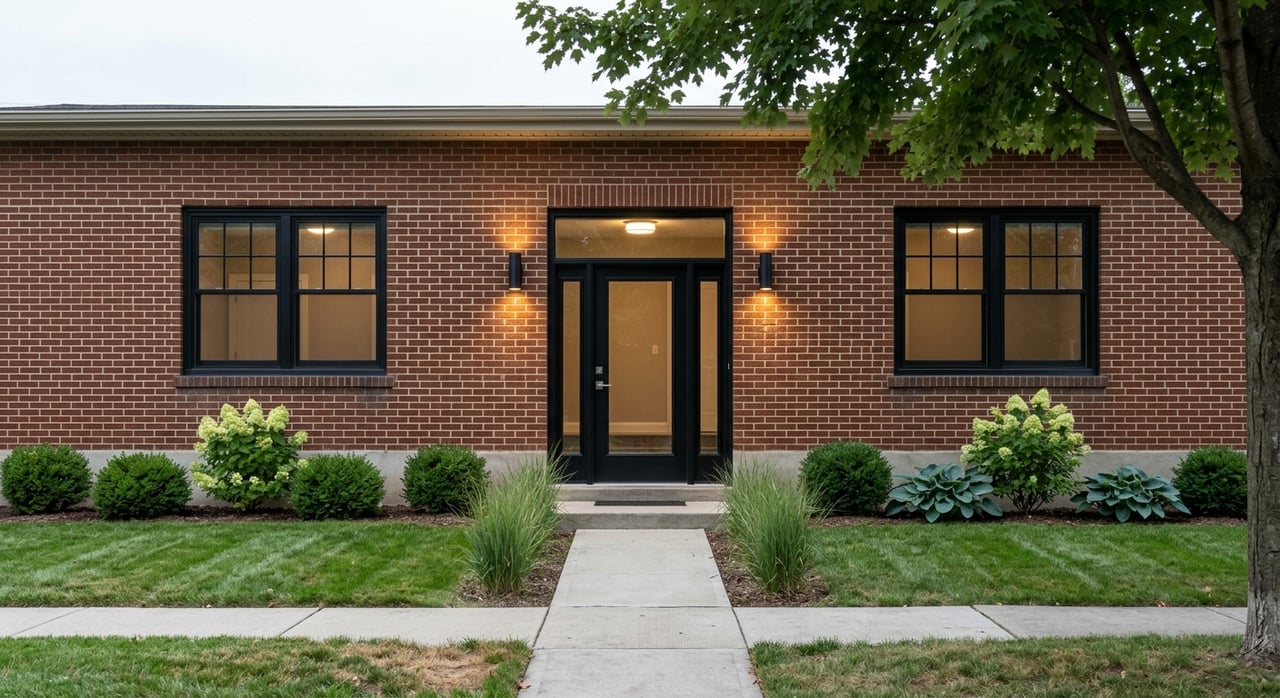
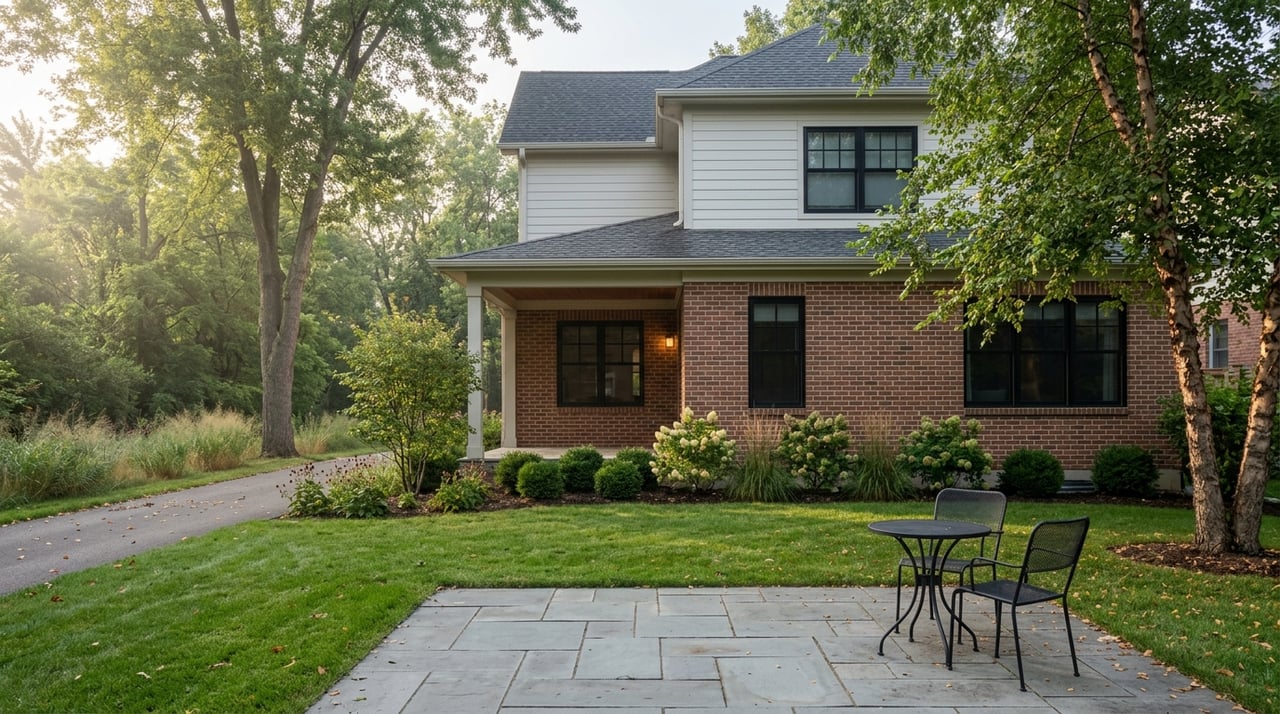
Newer homes usually attract buyers who want simplicity and efficiency. Muncie’s housing plan states that new construction can better meet energy-efficiency standards, reduce maintenance burdens, and address accessibility needs.
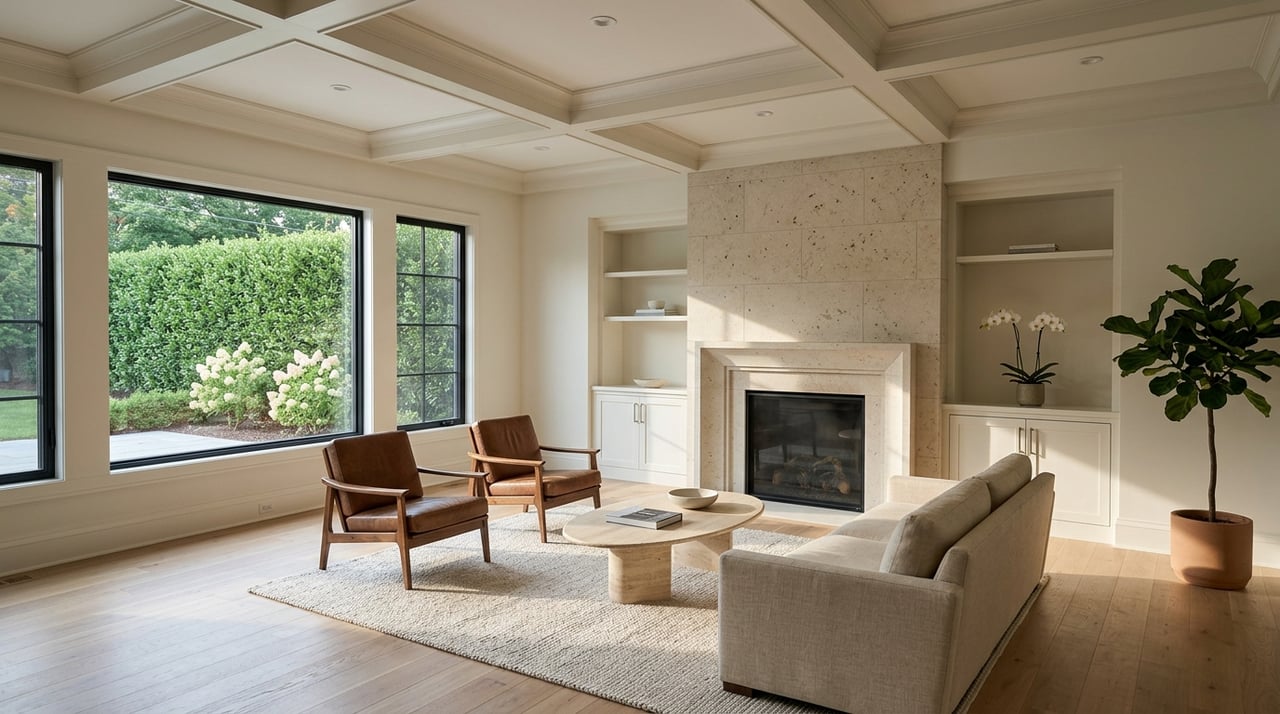
That can be especially appealing if you want a move-in ready home with fewer immediate projects. In many cases, newer homes offer updated systems, better insulation, and a more predictable maintenance timeline in the first few years.
For buyers balancing work, family, or relocation, that convenience can be a major advantage. You may spend less time planning repairs and more time settling into the home.
The Challenge With Newer Homes
The main tradeoff is supply. In Muncie, newer homes are relatively limited compared with older options.
The city’s ACS-based estimate found that only 7.8% of homes were built in 2000 or later. The city has also noted that few new units have been built in recent years.
That means if newer construction is high on your list, your search may take longer or require more flexibility. You may need to weigh location, size, finishes, and price more carefully because there are simply fewer newer homes to choose from.
Older vs. Newer Homes in Muncie
If you are deciding between an older home and a newer one, it helps to think less about which is “better” and more about which fits your lifestyle.
| Home Type | Potential Advantages | Common Tradeoffs |
|---|---|---|
| Older homes | More architectural character, more variety, broader supply in Muncie | More repairs, possible system updates, lower efficiency, possible lead-paint concerns |
| Newer homes | Better efficiency, lower immediate maintenance, more modern systems | Limited supply in Muncie, fewer options, possible higher competition |
In simple terms, older homes often fit buyers who are comfortable with inspections, phased upgrades, and renovation budgets. Newer homes often fit buyers who prioritize convenience, lower short-term upkeep, and move-in readiness.
Smart Questions to Ask Before You Buy
No matter which type of home you prefer, asking the right questions can save you stress later. In Muncie, that starts with understanding age, condition, and any local requirements tied to the property.
Here are a few smart questions to keep in mind:
- When was the home built, and when were the roof, HVAC, water heater, and electrical systems last updated?
- Is the home located in a local historic district or designated as a landmark?
- If the home is older, what inspection findings might point to near-term repairs?
- How well insulated is the home, and would an energy assessment make sense?
- If renovation work is needed, what permits or contractor requirements apply in Muncie?
These questions help you compare homes on more than looks alone. They also give you a clearer picture of your real cost of ownership.
Permits Matter for Renovation Plans
If you buy an older home and plan to update major systems, permit rules are important. The City of Muncie says HVAC, electrical, and plumbing permits within city limits cannot be pulled by a homeowner.
Instead, those permits must be handled by licensed or registered contractors. If you are budgeting for renovations, this is worth factoring in early because it can shape both cost and timing.
This is one reason local guidance matters. A home that looks like a bargain on day one may need a very different renovation budget once you account for contractor requirements and system work.
How Sellers Can Position Older and Newer Homes
If you are selling in Muncie, the age of your home is not automatically a drawback or an advantage. What matters most is how clearly the home’s strengths, updates, and expected maintenance picture are presented.
For older homes, buyers often respond well to documented improvements, service records, and realistic expectations around condition. For newer homes, buyers tend to notice efficiency, modern layouts, and lower immediate upkeep.
In both cases, strong preparation and accurate pricing matter. When you match the home’s story to what buyers in Muncie are actually looking for, you put yourself in a much stronger position.
Choosing between an older and newer home in Muncie usually comes down to lifestyle, budget, and how much hands-on work you want to take on. Older homes can offer charm, variety, and opportunity, while newer homes can offer convenience, efficiency, and fewer short-term projects. If you want help weighing the tradeoffs or understanding how your home fits the local market, Steve Slavin can help you move forward with clear, practical guidance.
FAQs
Are most homes in Muncie older homes?
- Yes. City data shows most of Muncie’s housing stock was built before 1980, and the median year built is 1960.
Are newer homes hard to find in Muncie?
- Relatively yes. City estimates show only 7.8% of homes were built in 2000 or later, so newer options are more limited.
Do older homes in Muncie always need major repairs?
- No. But older homes are more likely to need updates to items like roofs, furnaces, water heaters, insulation, or other systems.
Do historic homes in Muncie have renovation restrictions?
- Some do. If a property is in a local landmark area or historic district, exterior work may be subject to local preservation rules and approval processes.
What should buyers know about permits for older home updates in Muncie?
- In city limits, HVAC, electrical, and plumbing permits cannot be pulled by a homeowner and must be handled by licensed or registered contractors.
Is a newer home in Muncie always the better choice?
- Not necessarily. Newer homes often offer better efficiency and lower immediate maintenance, but older homes may offer more character, variety, and availability in Muncie.