Ask several real estate websites what a house costs in Selma, Indiana right now, and you'll get answers that don't agree with each other. One puts the median at $185,000. Another says $210,000, up 36 percent from the year before. A third lists the median single-family price at $230,000. A fourth, pulling from a pool of only three active listings, lands north of $600,000.
None of those numbers are wrong. They're just describing different things, because in a town of roughly 750 to 837 people, "the median home in Selma" isn't one product. It's two.
A Town This Size Can't Generate Enough Sales to Smooth Out a Median
Muncie sells hundreds of homes a month, which is enough volume for a median price to behave the way a median is supposed to behave: as a stable middle point that absorbs outliers. Selma doesn't have that luxury. Across the sources tracking it as of September 2026, the town closed somewhere between 13 and 16 home sales in the trailing twelve months, and homes there typically go under contract in about a month, 33 to 37 days depending on the source.
When your entire annual sample is smaller than a single week of sales in Muncie, one unusual closing doesn't get averaged away. It becomes the story. That's the mechanical reason the same town can report a $185,000 median in one data pull and a $600,000-plus average in another. Both are technically accurate. Neither describes "typical" the way a shopper expects.
For context, Delaware County as a whole posted a median sale price of $170,000 in February 2026, up 10.3 percent year over year, and Muncie's own median has been sitting in the $150,000 to $160,000 range through September 2026. Selma routinely prices above both. That premium is real. What it's attached to is the part that gets lost in a single headline number.
Two Very Different Products Wearing One Zip Code
Break Selma's housing stock down by era and lot size, and the spread stops looking like noise and starts looking like structure.
| Housing type | Typical price range | What it usually means |
|---|---|---|
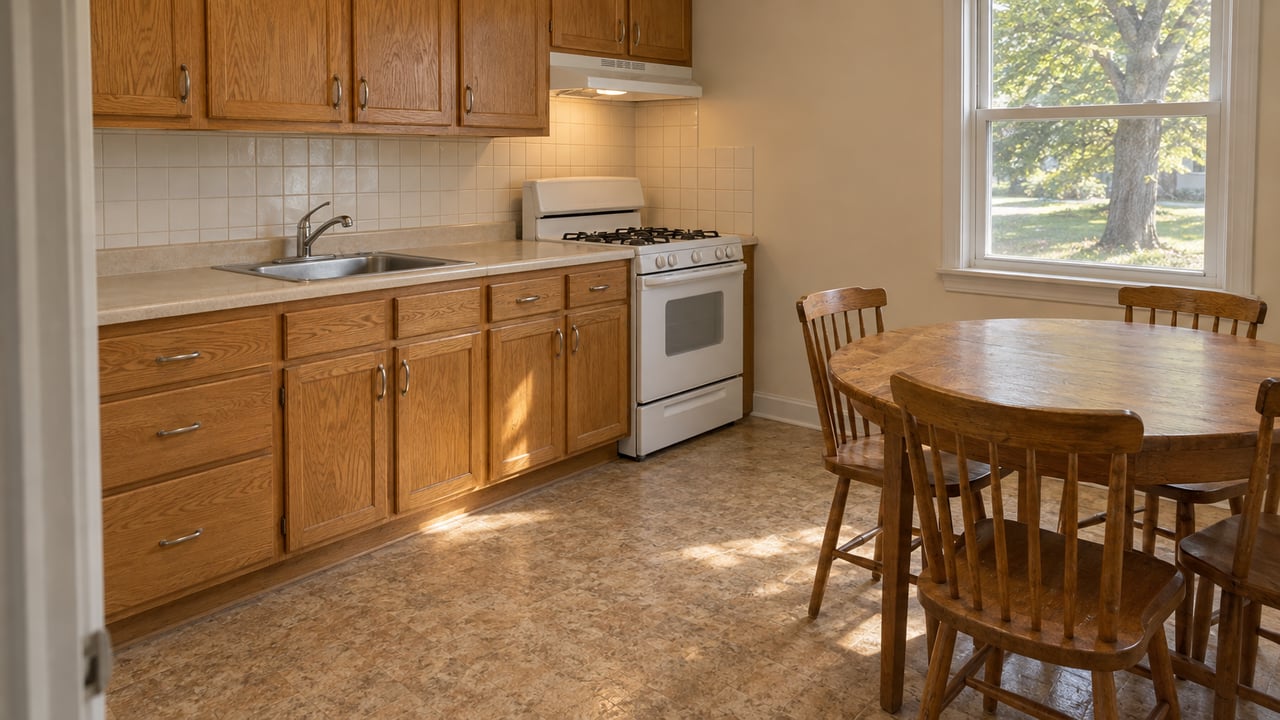
| Fixer-upper, in need of work | $50,000–$100,000 | Small lot, in town, often city water and sewer |
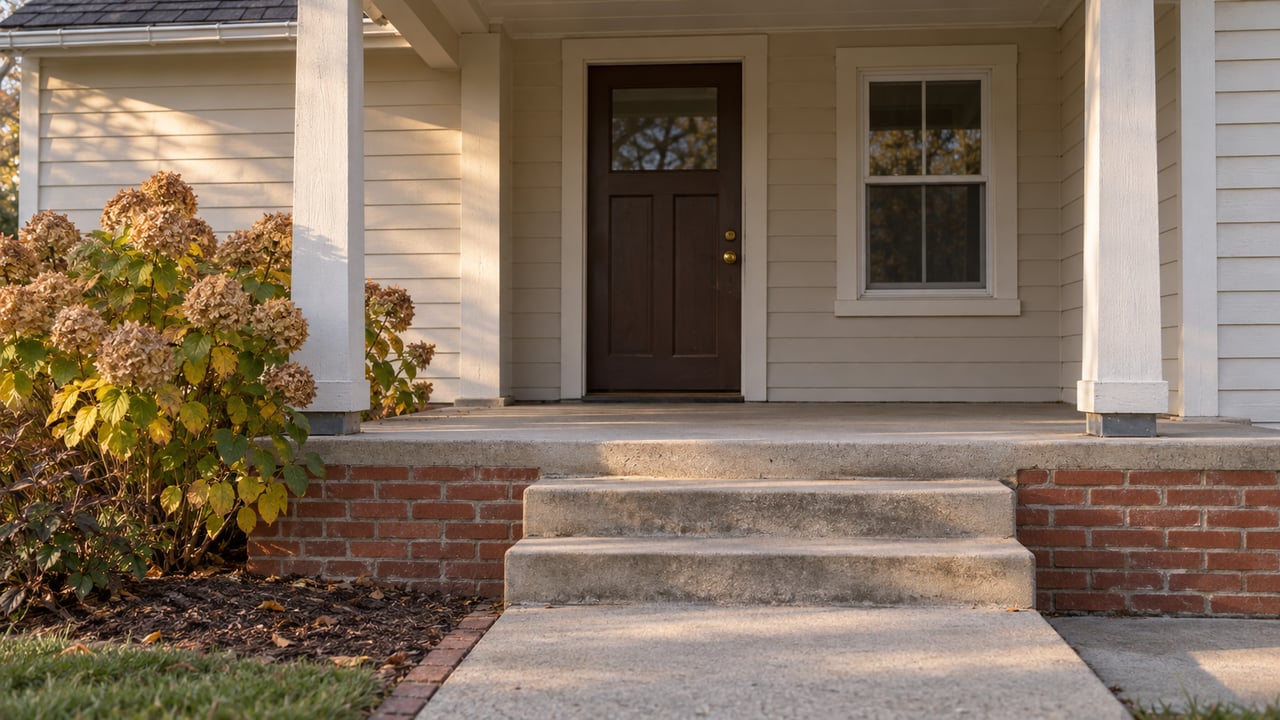
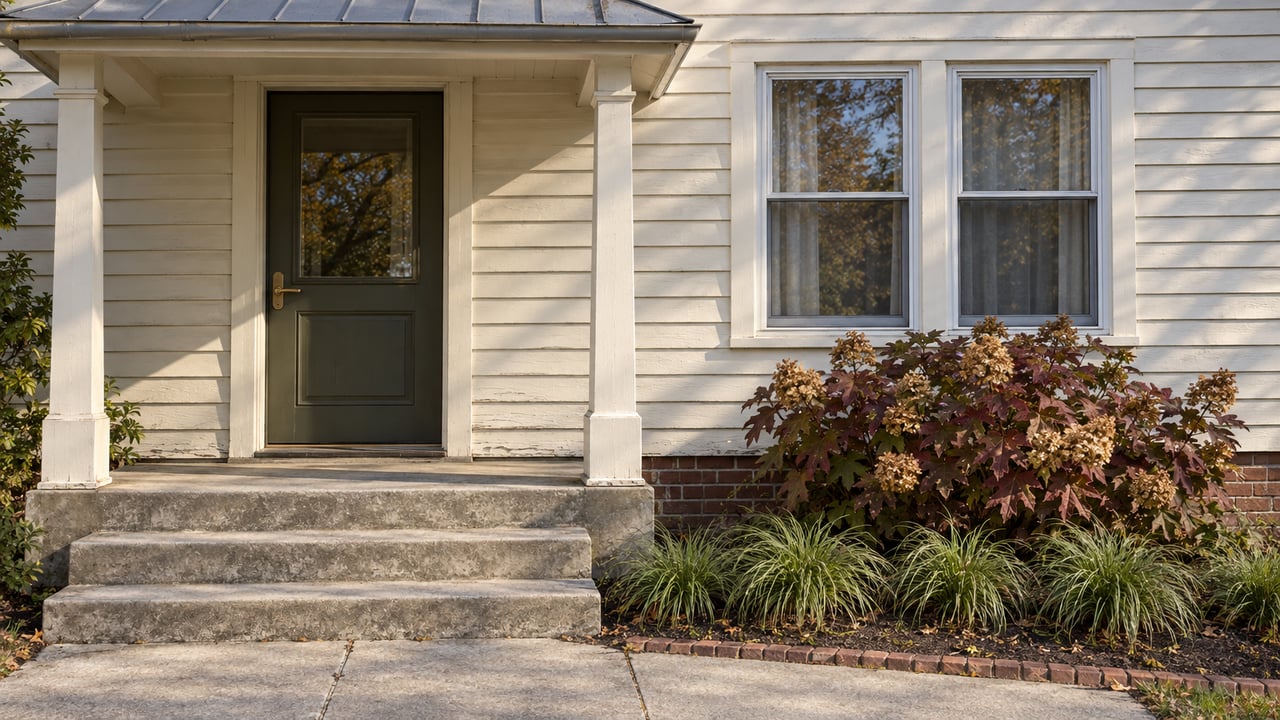
| Pre-1980 bungalow, cottage, or farmhouse | $100,000–$230,000 | The bulk of the in-town housing stock |
| Post-1980 traditional home | $250,000–$365,000 | Subdivision or edge-of-town construction |
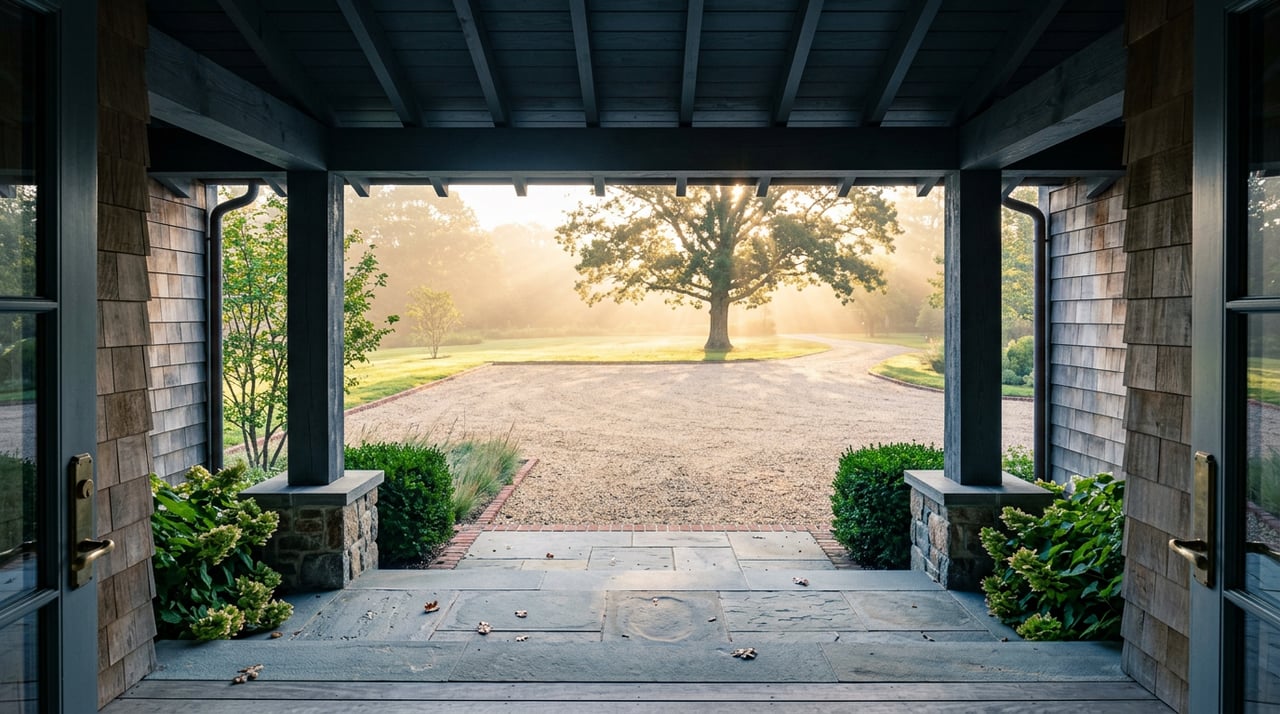
| Multi-acre custom or estate property | $500,000–$700,000 | Rural acreage, private well and septic |
A fixer-upper two blocks off Main Street and a multi-acre estate property get counted in the same "Selma" median, even though they share almost nothing else. One recent example makes the point well: a 7.5-acre property built around a fully remodeled 1841 cabin, currently operating as a wedding and event venue, sold in the same market cycle as ordinary three-bedroom ranches on quarter-acre lots. If that single acreage sale closes in a given month, it can pull the town's average up by tens of thousands of dollars on its own. That's exactly what appears to be happening in the data pull showing three active listings averaging over $600,000. Two of the three were multi-acre properties. A sample that small doesn't need many outliers to stop looking like a typical market.
Why the High End Keeps Showing Up
The acreage properties aren't random. They cluster around a specific set of amenities that don't exist in most towns Selma's size.
Prairie Creek Reservoir sits about ten minutes from town and draws pontoon boating, fishing, camping, and ATV and horse trail traffic through the warmer months. The Red-tail Nature Preserve, on the reservoir's southern edge, adds hiking and bird-watching, and a trailhead there connects to the 62-mile Cardinal Greenway. The Liberty-Perry Community School Corporation, which includes Wapahani High School, is another draw for families considering acreage here.
That's the demand side of the high-end tier. It's not speculative pricing. It's buyers paying for a specific lifestyle that happens to sit on the same tax rolls as a $75,000 bungalow.
What Actually Surfaces When You Put an Offer on One of These Properties
Here's where the price confusion turns into something that shows up at the closing table. Almost every rural Selma listing mentions a well, a septic system, or both, and Indiana treats those systems differently than most buyers expect.
In practice, most buyers request an inspection during their own due diligence period rather than relying on the seller's word. The most common method is a dye test, where an inspector introduces dye into the system and watches for it to surface in the yard, a quick way to catch a failing drain field before it becomes a post-closing surprise.
A few things worth budgeting for before you're mid-negotiation:
- A septic inspection typically runs a few hundred dollars and is usually the buyer's expense unless negotiated otherwise.
- According to The Septic Guide, FHA, VA, and USDA financing all require a functioning septic system before the loan can close. A failed system doesn't just lower your leverage, it can eliminate a large share of your buyer pool if you're the one selling.
- A full septic replacement is the expensive outcome to plan around, and can run from $10,000 to $30,000 depending on soil conditions and site access.
- If the home is also on a private well, a water test for bacteria and nitrates is a reasonable ask and gives you a documented baseline.
The state's regulatory framework for these systems lives in Indiana Administrative Code 410 IAC 6-8.3, and county health departments handle permitting and inspection on the ground. That's a useful resource if you want to see the standards a system is actually being held to, rather than taking a listing description at face value.
There's a second local wrinkle worth knowing. A number of current Selma listings mention brand-new roofs, gutters, and HVAC work completed in 2024 through 2026. That timing isn't a coincidence. A tornado with 120 mph winds struck the town in March 2024, damaging roughly half its structures. The wave of recent exterior updates showing up in listings now is largely the tail end of that insurance-driven rebuilding, not routine seller staging. It's a detail that explains why so many otherwise older homes suddenly show recent roof dates, and it's the kind of thing you'd only know by tracking the town closely rather than reading a single listing sheet.
What This Means If You're Comparing Selma to Muncie, Yorktown, or Daleville
If you're shopping Selma against nearby towns using a portal's median price, ask which Selma you're actually looking at. A $230,000 median tells you almost nothing about whether you're competing for a pre-1980 in-town bungalow or bidding against acreage buyers for reservoir-adjacent land with a septic system attached. Those are different searches, different financing conversations, and different timelines.
If you're the one selling a rural property here, expect the well and septic questions to come up during due diligence, not before you list, and build a few extra days into your expected closing timeline in case a dye test or water sample needs a second look. If you're buying, treat any single median you find online as a starting point for a conversation, not a number to negotiate against directly.
Selma Home Price FAQ
Does every home in Selma use a well and septic system? No. Homes closer to the center of town, especially the pre-1980 bungalows and cottages that make up most of the housing stock, are more likely to be on city water and sewer. The well and septic combination shows up almost exclusively on the acreage properties outside the immediate town center.
Why do some sites show Selma's average price over $600,000? Because the pool of active listings at any given moment is tiny, sometimes as few as three. If two of those three happen to be multi-acre estate properties, the average will look nothing like what a typical buyer will pay for a typical house.
How much time should I plan for septic due diligence? It varies by property and by whether the seller already has recent pumping records or a permit on file. A dye test and inspection can often be scheduled within your standard inspection period, but if the system needs pumping or a water test comes back with questions, build in extra days rather than assuming a fast turnaround.
Whether you're weighing a fixer-upper near the flashing light in the middle of town or an acreage property out toward Prairie Creek Reservoir, the number on the listing page is the beginning of the conversation, not the end of it. Slavin Property Group has spent years tracking exactly these kinds of local distinctions across Muncie and the surrounding towns. If you're trying to figure out what a specific Selma property is actually worth, or what your budget actually buys once you account for well, septic, and acreage, request your free home valuation and we'll walk through the real numbers with you.
This article is general information, not legal, tax or financial advice. Consult a qualified professional about your situation.